

Befriending Your Emotions: Part 1
written by Fran Westwood
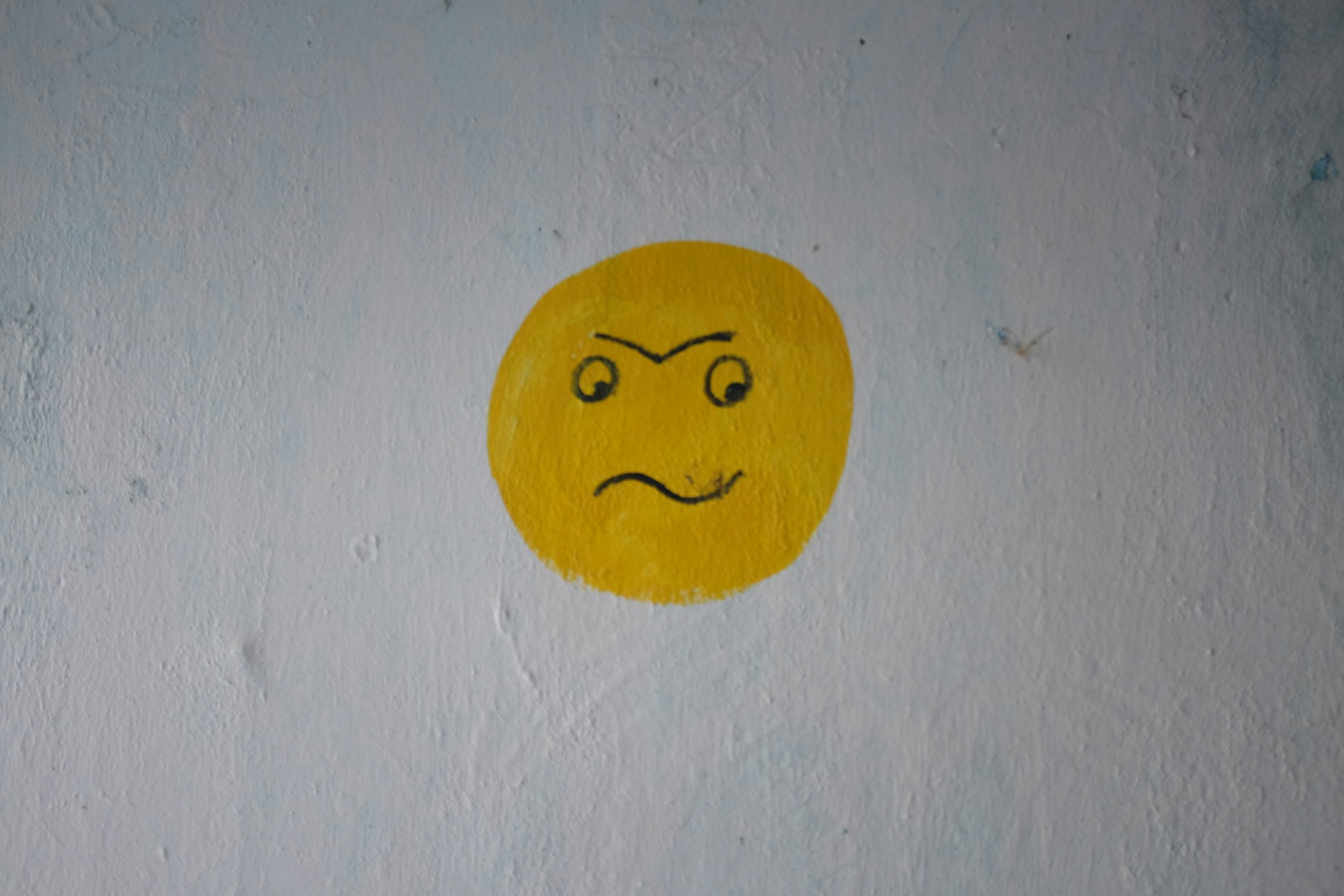
Photo by Orkun Azap on Unsplash
Therapy spaces talk a lot about emotions. Therapists, therapeutic texts and the work in sessions themselves will often emphasize that getting to know your emotions leads to growth. The underlying belief and conviction here is that emotions are not merely uncomfortable, painful or confusing, but, when processed in safety, they hold a key to getting clear about who we are. Processing emotions from the present and the past helps us heal, know our needs and live a satisfying life.
Connected to this hypothesis is the belief that stuck emotions, whether from trauma, attachment insecurity or unprocessed stress or grief, block flourishing. Not feeling safe or equipped to process your emotions in healthy ways can lead to perennial flight, fight or freeze stress responses in the body, which can make you feel constantly frantic, depressed, anxious, numb and empty. Many people have never been given the language or tools to process their emotions. Moving towards an emotion, then, can feel overwhelming. Moreover, all of us on some level develop behaviours that keep us feeling protected from sadness, anger, fear or any of the other emotions we’re keeping down. Befriending our emotions means that these defence mechanisms can relax. Patterns of overwork, overconsumption, numbing out, defensiveness, perfectionism and many other defences can settle, allowing energy to open up for what is important in life.
Experiencing your emotions can feel vulnerable and uncomfortable at first, but when done so from a grounded place, it often leads to relief and calm, as the body doesn’t have to work so hard to hold all of that emotional tension and energy within. Moreover, when we are free and confident that we can feel our emotions and be okay, life feels more manageable.
Befriending your emotions instead of treating them like an unwelcome stranger, or an enemy, can also transform how emotions function in your life. Emotions serve a purpose. Core emotions such as sadness, fear, anger, disgust, joy, excitement and sexual excitement are physiological reactions to life that every human experiences. Inhibitory emotions such as guilt, anxiety and shame also reveal beliefs you may be holding onto, and point to underlying emotions that might feel impossible to allow yourself to feel.
When you can understand, name and process your emotions, you may find that they hold important information about what you care about, what you need, what feels like injustice to you, what your boundaries are, what brings you joy and what excites you. Knowing your emotions can help you know yourself better, leaving behind aspects of life that no longer are aligned with you, and discovering ways of relating, behaviours and expressions that are aligned.
Finally, recognizing and listening to your emotions not only leads to greater connection with yourself, but can also improve your relationships. If you know who you are, you can express that honestly and accurately when communicating with someone else. If you know yourself and the spectrum of emotions that every human experiences, you will be more likely to hold space for the emotions of others without reacting. Finally, if you can stay grounded while experiencing difficult emotions, that will inevitably lead to more productive conflict; conflict that is honest but not reactive.
For many, their upbringing was not one that included emotional education or the safety that allowed for emotional expression. If this is you, it can feel really, really difficult and confusing to actually feel what you’re feeling, and to make sense of that. Know that it is never too late to slow down and notice how you’re feeling and to start to understand what is contributing to that, and what you need. That might mean more in-depth therapy or trauma-focused work, couples counselling, setting new boundaries or a myriad of other changes that support your growth. As you get to know your emotions, you get to know you better, and you might find that over time you are cultivating a life that aligns with who you are.
