

Truth and Reconciliation
written by Fran Westwood
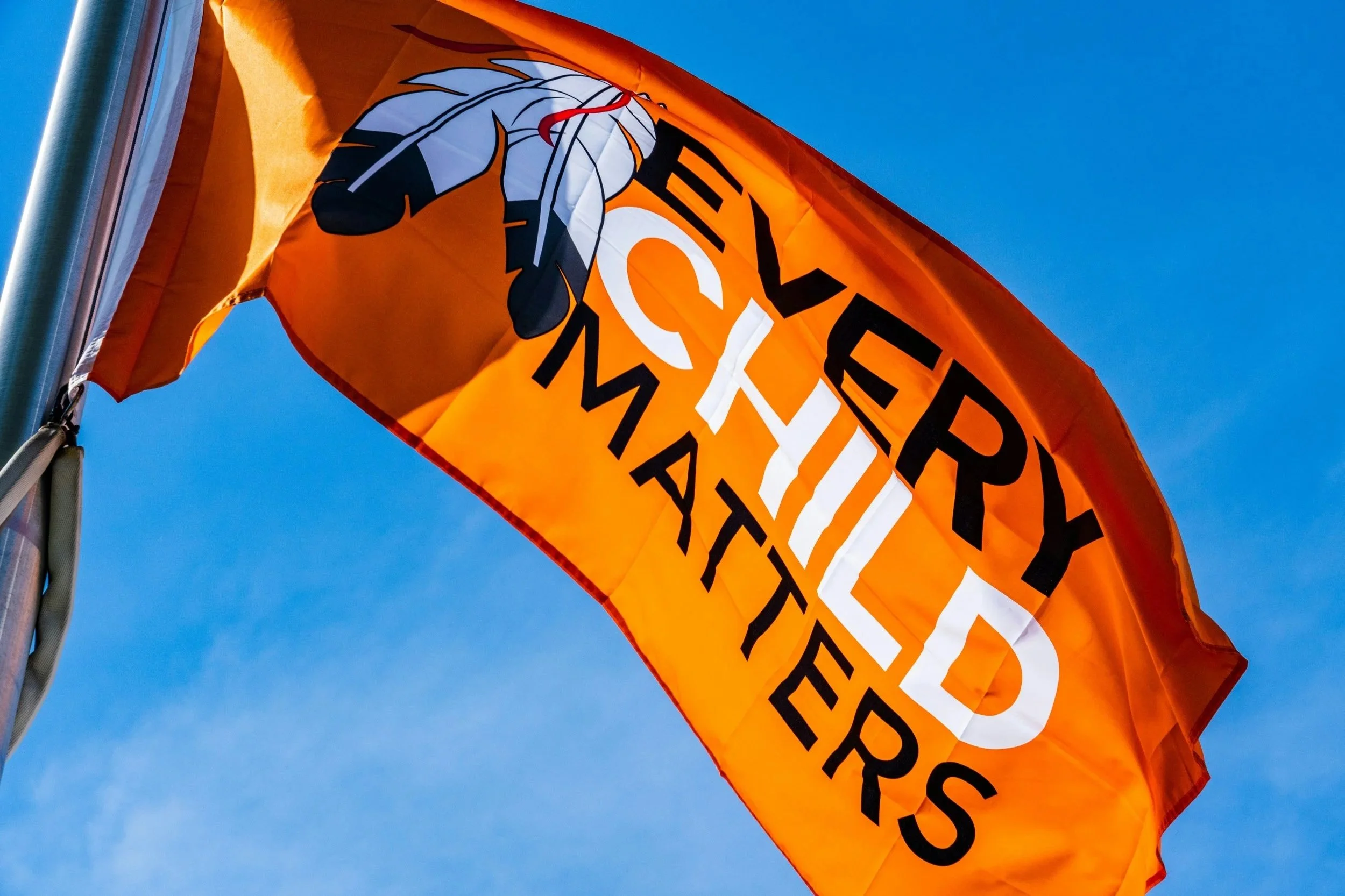
Photo by chris robert on Unsplash
A substantial reflection on the need for Truth and Reconciliation on the lands we call Canada is far beyond the scope of what can be captured here. It can be said, however, that the process of Truth and Reconciliation is an ongoing one and is one that requires many people to take many continuous steps. Truth and Reconciliation involves recognition of the full impacts of European colonization on the Indigenous peoples of Turtle Island. It also demands serious efforts toward reconciliation, reparation, healing and justice. This process involves individual and collective listening, participation and solidarity.
September 30, 2026, is Orange Shirt Day, or Canada’s National Day of Truth and Reconciliation. We are invited to show solidarity with Indigenous Nations, seeking to better understand what Truth and Reconciliation means for our schools, communities, churches, medical institutions, businesses and government.
Orange Shirt Day is meant to be a continual process of decolonization and minimizing intergenerational, cultural and environmental harms—not a one-day token event. Participation in Canada’s Truth and Reconciliation journey involves recognition of one’s relationship to colonization, including one’s power and privilege in the ongoing story of colonization. It also means reflecting on one’s relationship to Indigenous peoples who stewarded the land long before contact, and one's relationship to the land itself.
In All our Relations: Finding the Path Forward, Tanya Talaga writes, "If you are conditioned not to care, you are conditioned to indifference, and there is a violence to that indifference.” Indifference and lack of caring are not innocent positions. When the impacts of the residential school system in Canada, the historical and current treaty abuses, and the economic and environmental injustices enacted on First Nations communities are ignored or minimized, this is a form of ongoing harm.
“If you are conditioned not to care, you are conditioned to indifference, and there is a violence to that indifference.”
Many people of settler origin may lament, while learning about historical and present atrocities committed against Indigenous peoples, that it’s all too complex. This is a reflexive response that leads to hopelessness and apathy. As a settler, noticing one's responses and reflexes when encountering uncomfortable truths is essential. To take the requests of Indigenous peoples seriously, there needs to be, in settler communities, an ability to truly listen, learn and believe the harms.
Action can look like many things; intentionally seeking out Indigenous resources is one way to listen and learn. Taking the voices of Indigenous peoples seriously is foundational; this can look like learning, reading, bearing witness to what has occurred, and sharing what one is learning. A resource such as Native Land Digital is one way to begin researching the history of the land you call home. Knowing the specific First Nations who stewarded the land where you live is a step toward gratitude, honouring those who came before you and recognizing the truth of how colonialism has changed the landscape.
The Truth and Reconciliation Commission of Canada’s 94 Calls to Action are another place to begin—or continue—thinking and acting in light of the need for truth and reconciliation. The 94 Calls to Action are specific and concrete action requests that point to what decolonization and productive change would look like in various areas, available for anyone to read and reflect on. Bringing these calls to action to your workplace, faith community, school, local library, or writing to your government official are ways to take action.
Last week, on Wednesday, September 23, members from the Grassy Narrows community travelled 1700km to Toronto to protest against the mercury poisoning, illegal logging and proposed nuclear projects that have done immeasurable harm to the physical and mental health of a colossal number of people in the Grassy Narrows community since the 1970s. The Grassy Narrows River Run is a stand against harmful economic practices that will continue to cause early deaths, suicides and a loss of cultural practices if they are allowed to continue unabated.
The story of Grassy Narrows and their front-line advocacy work is a stark reminder that colonization is not a past story but an ongoing one. Their advocacy over many decades is also one that reminds settlers how much we have to learn from Indigenous communities. Standing in solidarity with nations like Grassy Narrows who are demanding reparations, mercury justice and environmental protections in the present is another important way to show care and take the reality and requests of First Nations peoples of Canada seriously.
This reflection contains only a few preliminary ideas of what it might look like to stand in solidarity with Indigenous peoples during Canada’s National Day of Truth and Reconciliation on September 30th. Participation in Truth and Reconciliation in Canada is meant to be dynamic. A conversation, a creative and generative process.
First Nations people have suffered immense trauma due to the loss of culture and language due to the colonization of their lands. This video is the voice of the youth of Grassy Narrows First Nation, N’we Jinan, singing “Home to Me.” In the midst of so much historical and ongoing struggle, their voices are speaking clearly, and it seems appropriate to end by centring their voices with the utmost attention and respect.
For more information, check out…
