

Slowing Down and Reconnecting with Nature
written by Fran Westwood
originally published May 20, 2026
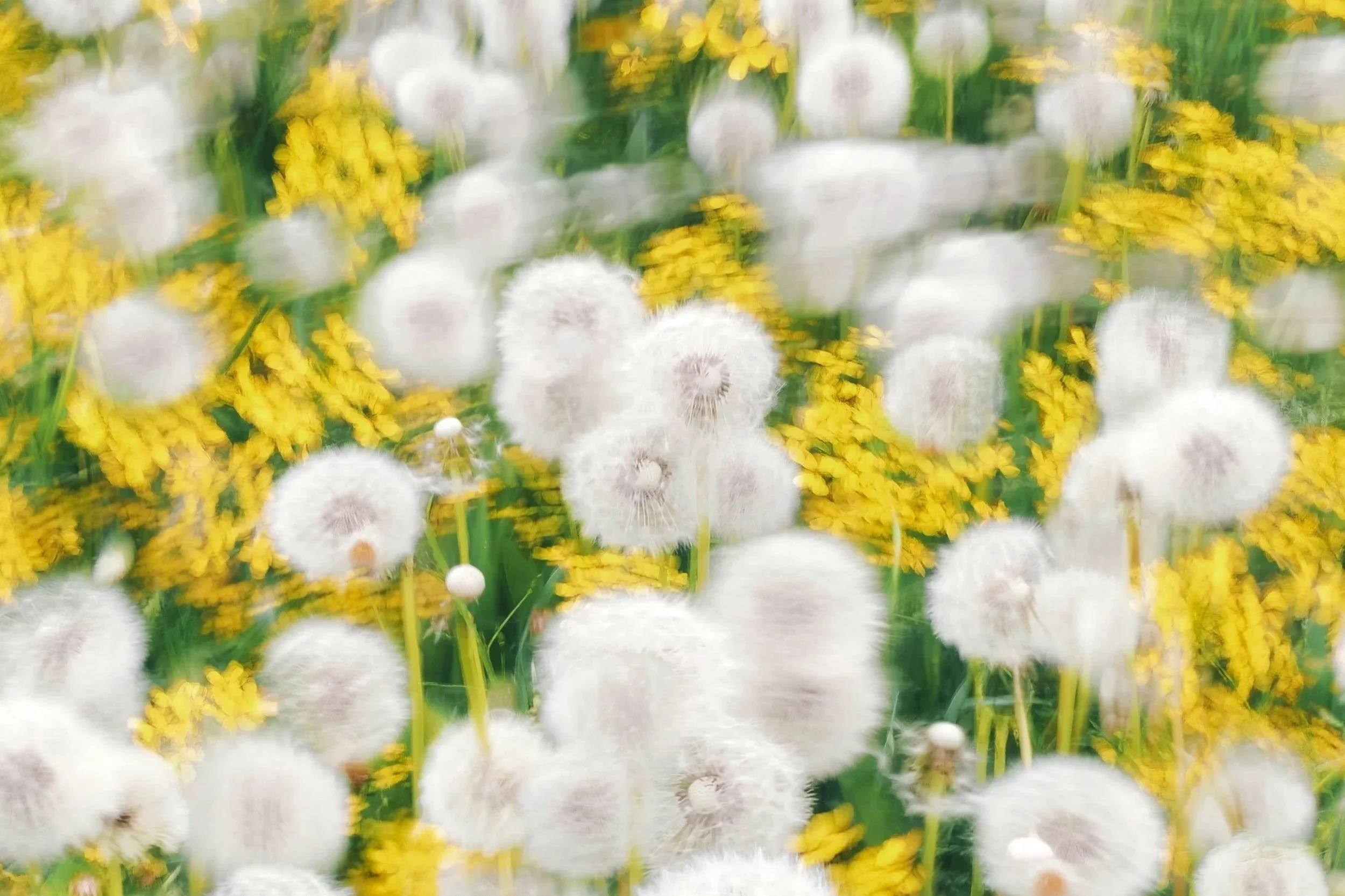
Photo by Eugene Golovesov on Unsplash
After an unusually long winter, the fruit trees are finally in blossom. Dandelions are sprinkled across lawns and migratory birds are singing mightily, a dawn chorus for anyone awake at that hour.
Connecting with nature can happen in any season, but each change in weather, temperature and the creatures and plants around us also shifts how we relate to it all. The arrival of each season signals transition, and an invitation to slow down and notice what is happening with nature. This is also an invitation to reflect on what is happening with us—as we are, after all, part of nature, not outside of it. This assumption that we are disconnected observers from nature is a phenomenon of our modern, technological world, not an inherent reality for human beings. Many people, in urban settings especially, can go for many days without interacting with plants, animals, rocks, soil, trees, and the starry sky, unless they are intentional about it.
The physical and mental health benefits of reconnecting with nature are well established in research. A 2015 study drew on many studies before it, looking at the benefits of nature immersion on the biopsychosocial dimensions of mental health. The study demonstrated the benefits of time in nature, which included “more relaxation, less perceived stress, improved emotional states, and more experience of spiritual well-being”. Nature continually offers us a larger context to which our challenges and pain can belong and be worked out. Observing how other creatures survive and thrive can bring delight, perspective and a sense of unconscious calm. Remembering our embodied reality as we move in nature can help us feel more grounded and less alone and in our heads.
There are a myriad of ways of being in nature, whether hiking, gardening, walking the dog, surfing, stargazing and more. Moreover, what registers in such an immersive experience might also be different. A walk in an urban wooded park, for example, might highlight a connection to the new life showing all around in the fresh leaves and baby goslings toddling on the grass. Or, the same walk for a different person might bring resonance around trees that are still lacking leaves and seem slower to respond to the warm temperatures. These two differing experiences of the walk reveal and clarify how each person is showing up in that moment, and what is most real for them. After returning home, one might notice that it was the image of the bare trees that remained with them, and continue to reflect on that. The first individual might continue to savour the feeling of celebration and new life, and realize areas of their life where they are experiencing those themes, or where they are longing to have more of that. For both, the time outdoors could foster connection to the larger natural world all around them, offering perspective and regulation. For both, it might also offer a connection to the deeper parts of themselves.
How we spend time in nature isn’t the question; it’s more about whether we can and do show up. The species within the natural world are diverse, as we are, and are able to meet us in the multiplicity of what we’re feeling, thinking about and discerning. How much time have you been able to spend in nature recently? Perhaps notice what kind of time outdoors is life-giving for you, and what is resonating for you in those times. The natural world can be a mirror for our own process, as well as having value in and of itself, for its own sake.
For more information, check out…
